What we learnt from the three biggest COVID-19 clusters in Malaysia
Advertisement
Asia
What we learnt from the 3 biggest COVID-19 clusters in Malaysia
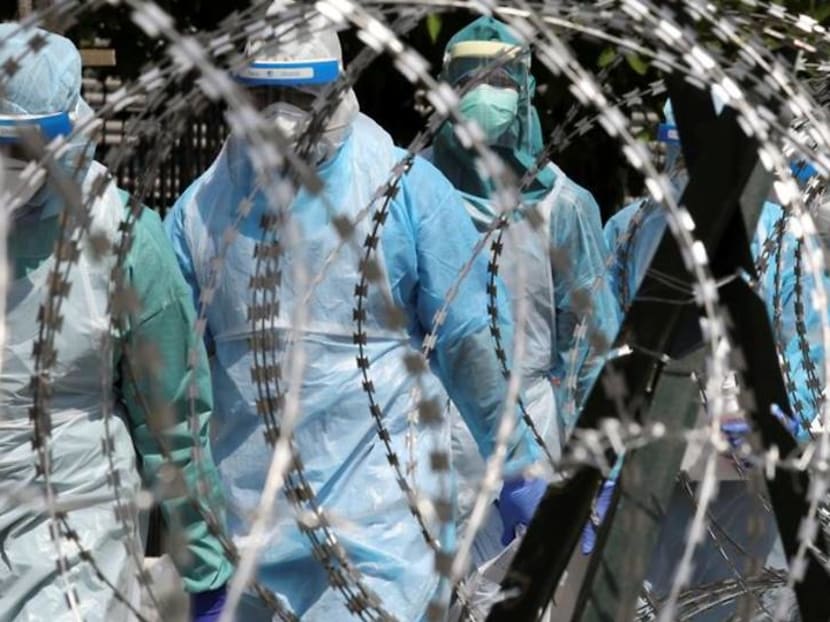
FILE PHOTO: Medical workers wearing protective suits pass by spinous wire at the cherry zone under enhanced lockdown, among the coronavirus disease (COVID-xix) outbreak, in Petaling Jaya, Malaysia May 11, 2020. REUTERS/Lim Huey Teng/File Photo
29 Jul 2022 06:08AM (Updated: 29 Jul 2022 06:08AM)
KUALA LUMPUR: COVID-xix first hit Malaysia on Jan 24 when three Chinese nationals tested positive. The ministry acted swiftly, putting the tourists on quarantine and taking them to Sungai Buloh Hospital, one of the vii COVID-19 hospitals in Malaysia for treatment.
The first wave which happened between Jan 24 to Feb 15 had a total of 22 cases. Twelve of these cases had a travel history to other affected countries.
The country heaved a sigh of relief when in that location were no cases recorded for a catamenia of 11 days from Feb sixteen to February 26.
Even so, things soon took a turn for the worse, prompting the regime to declare a movement control lodge (MCO) starting Mar xviii. The MCO is at present slated to terminate on Aug 31.
There are now more than than 8,900 cases in Malaysia, with 124 deaths.
Here's what you need to know virtually the 3 biggest clusters and then far.
READ: 'It'southward a nightmare' says resident quarantined in Malaysia's COVID-nineteen red zone worried over access to healthcare, fresh food supplies
TABLIGH CLUSTER: ARRANGEMENTS FOR Big GATHERINGS Under THE SPOTLIGHT
Between Feb 27 to Mar 1, over 16,000 people gathered at a mosque in Sri Petaling for a religious gathering known as a Tabligh. About 1,500 of them were foreign nationals.
The gathering somewhen led to a much larger and more fatal second wave of cases.
Dr Noor Hisham Abdullah, Malaysia's wellness ministry'south director-full general so said that the ministry building was only made enlightened of the gathering eight days later on the event on Mar 9, by his counterpart in Negara brunei darussalam. This was after a Bruneian national who attended the gathering tested positive for the virus.
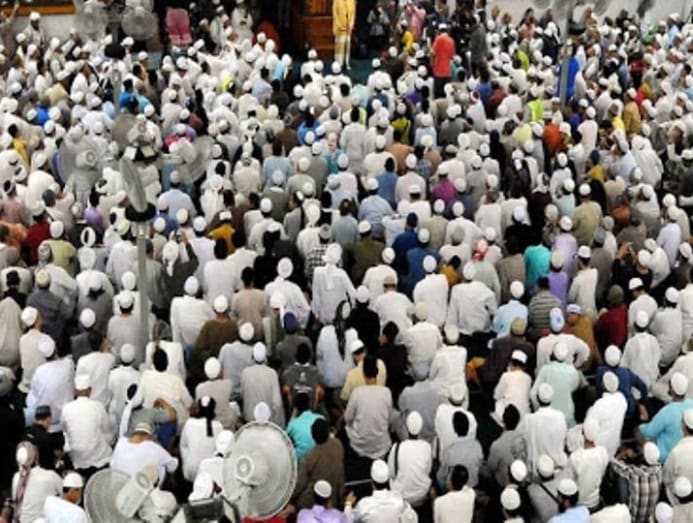
The first case related to the cluster was detected on Mar xi. The get-go Malaysian to attend the event and examination positive was a lx-year one-time man from Pahang who was detected on Mar 12.
On Mar 17, the ministry building announced the first expiry related to the gathering, a 34-year old man from Johor Bahru.
READ: Interstate travel resumes, more than services reopen as Malaysia steps into a new normal
After recording 190 new cases on Mar fifteen, Prime Minister Muhyiddin Yassin announced the first phase of the MCO from Mar 18 to Mar 31.
Yet, as the situation did non immediately improve, Mr Muhyiddin subsequently announced iv more phases of the MCO. By May 4, sure business sectors were allowed to restart operations.
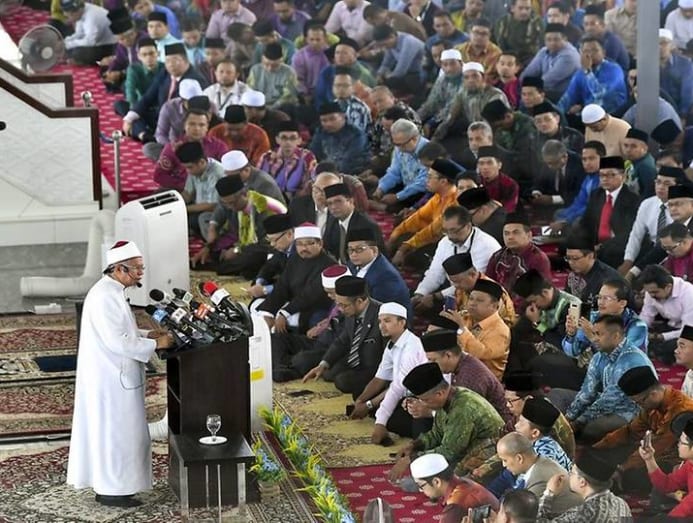
As the state of affairs continued to meliorate, the government said that the MCO will move into recovery phase on Jun 10, where all businesses were allowed to resume operations nether strict Standard Operating Procedures (SOPs).
Finally on Jul 8, after 3,375 people tested positive and 34 deaths, the biggest COVID-19 cluster in Malaysia ended, having recorded no new cases for over 28 days.
In full, over 42,000 people were screened for the cluster. It was found that 2,187 cases were asymptomatic.
Former health minister Dr Dzulkefly Ahmad told CNA that mass gatherings were a "perfect recipe" for spread and super-spreading of the virus.
"Any attempts at organising such gatherings must be thoroughly reviewed and stringent SOPs need to exist applied and abided by the organisers. It is also important for end-to-end protocols to be strictly observed."
TAHFIZ SCHOOL CLUSTER: IMPORTANCE OF SUFFICIENT TESTING

While the Tabligh cluster was making headlines, one of its sub-clusters was slowly emerging.
This cluster, which was actually triggered by attendees of the Tabligh gathering, later took on a life of its own. More than 24,000 teachers and students had to be isolated while 20,865 were screened for the virus. Over 700 of them tested positive.
The Tahfiz cluster offset started on Mar 29 subsequently 71 people from Maahad Tahfiz AnNabawiyyah in Hulu Langat, Selangor tested positive for the virus.
This eventually led to the authorities announcing an Enhanced MCO in several areas effectually Hulu Langat, where residents could not even step out to get food or necessities.
To date, over 453 Tahfiz schools take been screened nationwide, and 733 teachers and students have tested positive.
The managing director-general in his Jul 24 press conference on Jul 24 said 635 of those who tested positive were asymptomatic. All the same, he said that in that location have been no new cases.
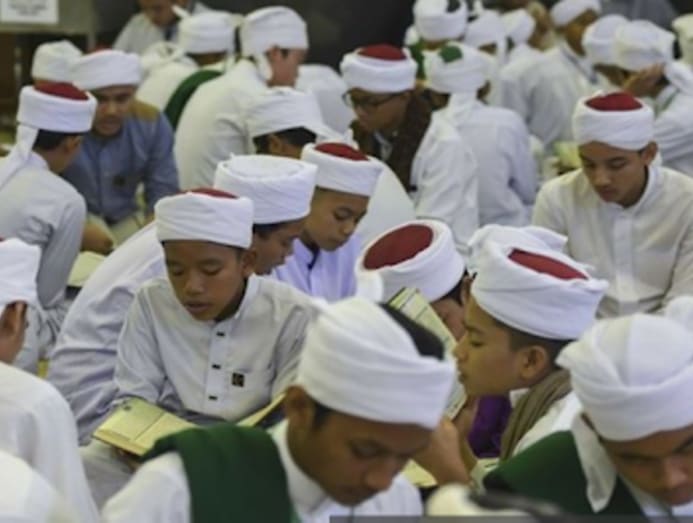
Although the cluster has not been alleged as closed, Tahfiz schools were allowed to reopen on Jul 15.
COVID-nineteen: Majority of infected patients linked to religious schools in Malaysia were asymptomatic, says wellness ministry
With regards to the loftier number of asymptomatic patients in this cluster, Dr Dzulkefly said information technology was important to bear out sufficient testing.
"Sufficient testing must be conducted to detect asymptomatic persons, as it has been proven that viral load of asymptomatic patients is at its highest a few days before symptoms announced.
"So both testing and isolating are pertinent measures to be intensified and not reduced. Merely already we have heard of a reduction in testing. I've been told that testing is simply at 13 per cent of our maximum chapters and mostly done by the private sectors," he said
IMMIGRATION DEPOT CLUSTER: MIGRANT WORKERS RELUCTANT TO COME FORWARD
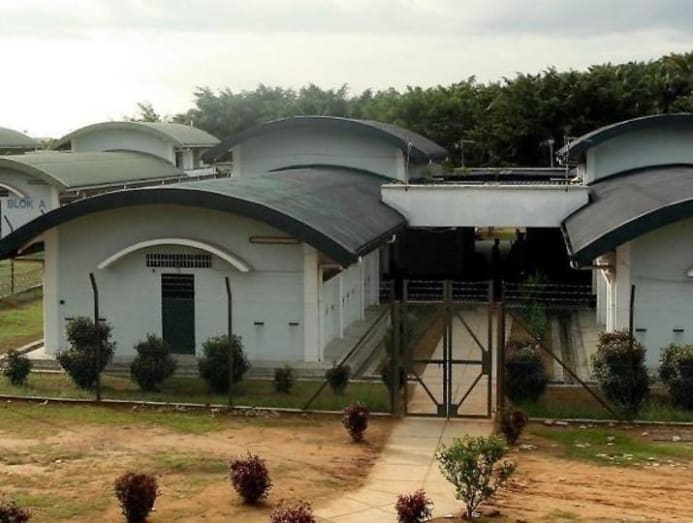
Post-obit a series of immigration raids that took identify from the start of May, Malaysia announced a cluster of cases at the Bukit Jalil immigration depot on May 21.
In the first round where over 600 illegal immigrants were screened and tested, 35 of them tested positive. This is said to have led to a false sense of conviction that the cluster would non be something to worry about.
At that time, Dr Noor Hisham noted that the cases were already independent, equally those afflicted were in a quarantine-similar environment. He also said that in that location was a depression rate of infection among those who were tested in the cluster.
READ: Malaysia reports 277 new COVID-xix cases
Not long after, information technology was announced on Jun iv that 270 people from the depot had tested positive in a single solar day. That came as a stupor to many Malaysians, as the land was seeing a steady decrease in cases with only xx cases recorded on Jun 3.
To appointment, 649 people have tested positive out of the 1,661 tested at the depot. There were no deaths recorded in this cluster.
As of Jul 23, the director-full general has confirmed that in that location take been no new cases related to this cluster.
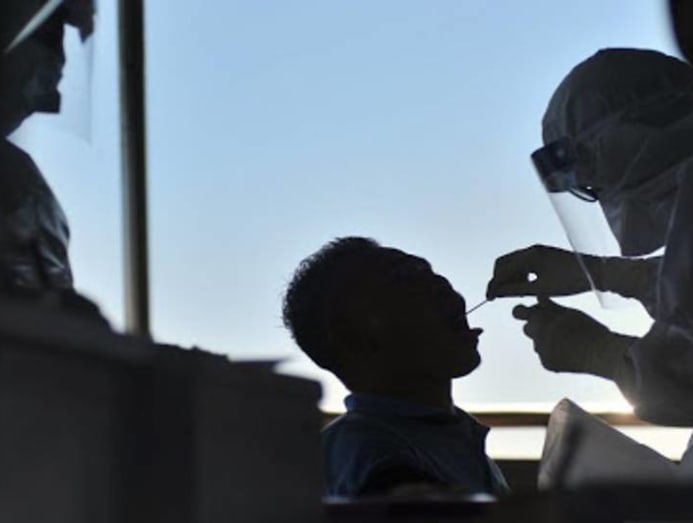
Commenting on the detention heart cluster, Dr Dzulkefly said the government needed to take a public health approach and look at the health of the population every bit a whole, without any distinction or discrimination.
"It should not exist in terms of non-nationals versus nationals, ending in fearfulness of being apprehended.
"Clusters in the Immigration Depot depicted the position of those migrant workers and foreigners, who feared being deported. Hence (they were) non willing to come up out and exist tested. Likewise, refugees also present a reservoir of potential clusters," he said.
He stressed that until the government took an arroyo regarding it as a public health trouble affecting the whole population, Malaysia will not exist able to get rid of the virus.
This is merely because in that location will always be people who are non willing to come forward for fearfulness of being detained or be sent dorsum, he added.

Recent Searches
Trending Topics
Source: https://cnalifestyle.channelnewsasia.com/asia/what-we-learnt-three-biggest-covid-19-clusters-malaysia-289291
0 Response to "What we learnt from the three biggest COVID-19 clusters in Malaysia"
Post a Comment